Impact of L1 visa requirements on taxes and financial planning for employees
Wiki Article
Recognizing L1 Visa Requirements: A Comprehensive Overview for Global Professionals
Guiding with the intricacies of the L1 visa procedure is essential for international professionals intending for intra-company transfers to the united state. This visa offers two key classifications, each with unique needs. Recognizing qualification standards and the application procedure can significantly impact the end result. Nevertheless, several encounter challenges along the road. What are the vital steps to assure a smooth trip via this detailed treatment? The answers lie in advance.Introduction of the L1 Visa Categories
While steering with the intricacies of U.S. migration, it is important to recognize the various classifications of the L1 visa, which is made for intra-company transferees. The L1 visa includes two key categories: L1A and L1B. The L1A visa satisfies executives and managers, enabling them to transfer to a united state branch, associate, or subsidiary of their company. This category is specifically beneficial for individuals in management roles, as it allows a much longer period of stay, usually up to 7 years.Conversely, the L1B visa is planned for workers with specialized understanding, highlighting their expertise in the company's services, processes, or items. L1 visa requirements. This classification allows for a stay of up to 5 years. Understanding these differences is vital for firms and professionals steering the L1 visa procedure, guaranteeing they select the ideal group based upon their duties and obligations within the organization
Eligibility Requirements for L1 Visa Applicants
Additionally, the sponsoring employer has to preserve a qualifying partnership with the foreign entity where the applicant was previously employed. This relationship can be a parent firm, affiliate, branch, or subsidiary. Applicants must additionally plan to work in the U.S. in a comparable managerial or specialized duty upon authorization of their visa.
Needed Paperwork and Application Process
An extensive set of documentation is important for candidates seeking an L1 visa. The process begins with the conclusion of Kind I-129, a petition for a nonimmigrant employee, which must be submitted by the united state company. Accompanying this form, candidates require to offer proof of the certifying connection in between the U.S. and international company, such as tax returns or organizational charts. Proof of the candidate's employment background, including work descriptions and functions, is likewise required to demonstrate qualifications for the desired position in the united stateIn addition, applicants need to submit their key, photos, and any kind of previous U.S. immigration papers. Once the application is authorized, applicants have to participate in a visa interview at an U.S. consulate or consular office, bringing all supporting records. This meticulous documentation warranties compliance with U.S. immigration legislations and promotes a smoother application procedure for prospective L1 visa holders.
Period of Remain and Extensions
The period of remain for L1 visa holders differs depending upon the particular group of the visa they have. L1A visa holders, normally execs and managers, are granted an initial keep of as much as three years, with the opportunity of expansions approximately a maximum of 7 years. Alternatively, L1B visa holders, that have specialized understanding, are enabled an initial keep of up to 3 years, but can prolong their stay for a maximum of five years.Expansions need to be requested before the visa see this runs out, and the procedure requires the employer to show the need of the employee's ongoing existence in the U.S. It is vital for workers and companies to comply with the guidelines worrying period and expansions to prevent any kind of potential legal issues. Remaining notified concerning the timelines and demands is important for preserving L1 visa status and making sure compliance with united state immigration legislations
Usual Obstacles and Tips for Success
Steering through the complexities of the L1 visa process can present different obstacles for both workers and employers. One usual difficulty is the documents needed, which commonly demands precise interest to detail. Applicants need to guarantee that their task summaries align with the specialized knowledge criteria, which can lead to complication and misinterpretation. Additionally, the timeline for approval can be unpredictable, triggering anxiety for those waiting for moving.To boost chances of success, it is suggested for applicants to consult immigration lawyers that specialize in L1 visas. This professional advice can help browse legal subtleties and prepare a strong application. Companies must likewise ensure proper inner communication, lining up human resources policies with L1 visa requirements. Finally, keeping arranged records and timely entries can significantly minimize anxiety throughout the application procedure, leading the way for a smoother modification for all events entailed.
Often Asked Inquiries
Can Family Members Accompany an L1 Visa Holder?
Yes, member of the family can come with an L1 visa owner. Spouses and single kids under 21 years of ages click for more info are eligible to request L2 visas, permitting them to examine and live in the USA.What Is the Distinction In Between L1A and L1B Visas?
The L1A visa is for executives and supervisors, while the L1B visa is for workers with specialized knowledge. Both permit intracompany transfers, however the L1A normally supplies a broader series of chances for innovation.Exist Specific Work Titles Required for L1 Visa Authorization?
Particular job titles are not mandated for L1 visa authorization; nevertheless, candidates need to demonstrate that their functions straighten with managerial or specific understanding settings. Relevant experience and firm structure play important roles in the approval process.Can I Switch Over Companies While on an L1 Visa?
Switching companies while on an L1 visa is usually not allowed. The visa is tied to the specific company and function. A new company would need a different L1 application for authorization.Is There an Allocation for L1 Visa Approvals Every Year?
There is no annual allocation for L1 visa authorizations, allowing qualified people to apply without the restrictions of a mathematical limitation. This adaptability sustains international companies in transferring workers as required throughout the year.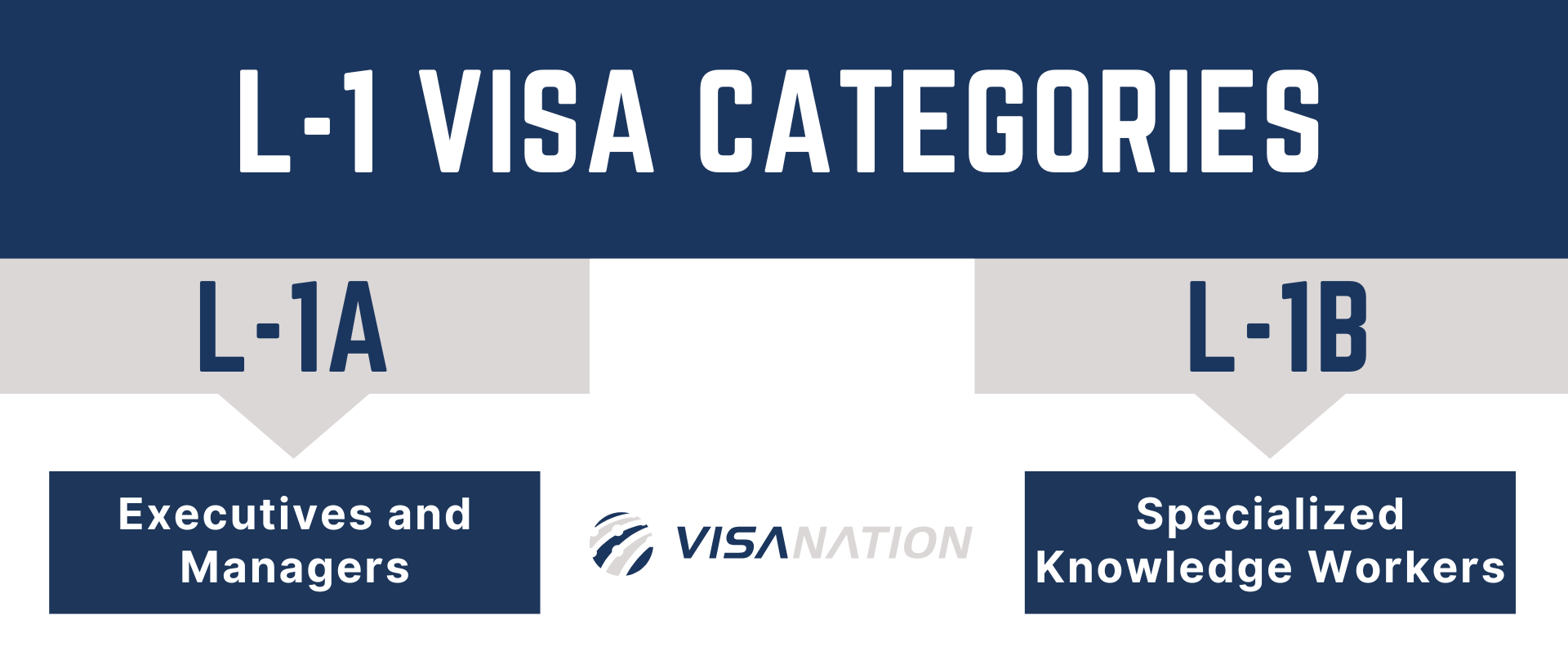
Report this wiki page